
Brake Service Signs INFINITI Drivers Should Not Ignore
- Grinding, a soft pedal, or severe pulling are urgent brake warning signs—schedule an inspection right away.
- Addressing squealing early can help prevent costly rotor and caliper damage.
- Dashboard alerts and vibrations often point to issues you can fix before they impact stopping power.
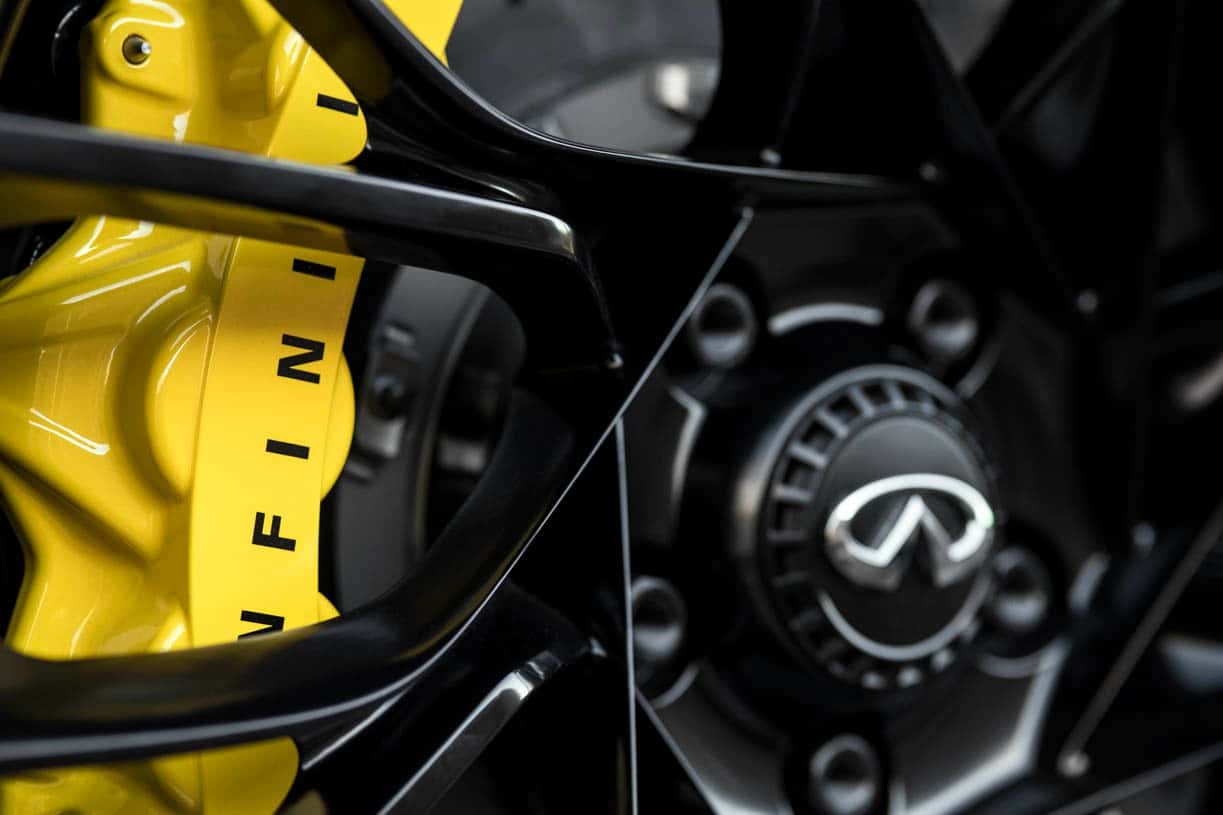
Your INFINITI’s braking system is hands down the most critical safety feature you rely on every single day. When warning signs pop up, they’re telling you about real issues that need your attention right now. At INFINITI of Hoffman Estates, we have watched too many drivers brush off subtle symptoms, only to end up with complete brake failure or expensive rotor damage later. Every grinding noise, dashboard alert, or weird pedal feel is your car’s way of warning you about problems before they put you at serious risk on Hoffman Estates roads.
Why INFINITI Brake Warning Signs Require Prompt Attention
Regular brake maintenance goes way beyond just keeping your stopping power intact. Catching worn pads early prevents damage to rotors, calipers, and other expensive components.
A simple pad replacement costs a fraction of what you’ll end up paying for warped rotors and damaged hydraulic systems. Most importantly, addressing INFINITI brake service signs quickly means your vehicle will respond correctly when you need to make emergency stops on I-90 or through those busy Barrington Road intersections.
Dashboard Warning Lights That Signal Brake Problems
Your INFINITI’s dashboard basically works as an early warning system, using those lit-up indicators to tell you about brake issues. These lights connect to sophisticated sensors that keep tabs on brake fluid levels, pad thickness, and hydraulic pressure. Understanding what each light actually means helps you respond the right way and get service scheduled before small problems turn into big ones.
Brake and ABS Warning Lights
The brake warning light comes on for several different reasons, and each one needs professional inspection. Low brake fluid levels will trigger this indicator, which could mean you’ve got leaks or your pads are severely worn. Thin brake pads also set off the warning system before you get to that awful metal-on-metal contact. General brake system malfunctions show up through this light too, pointing to hydraulic pressure issues or master cylinder problems. If this light stays on after you release your parking brake, you need service immediately.
The ABS warning light means there’s trouble with your anti-lock braking system (the feature that stops your wheels from locking up during emergency braking). Your regular brakes will keep working when this light appears, but you’ve lost that crucial control ABS gives you during panic stops on wet or icy roads. Chicago-area winters make ABS especially valuable since our temperature swings and road salt really accelerate component wear. Our factory-certified technicians diagnose ABS problems using specialized equipment designed specifically for INFINITI systems.
Other Related Warning Indicators
Several other INFINITI dashboard lights affect your braking performance in indirect ways. TPMS alerts signal improper tire pressure, which changes how your vehicle handles and how far it takes to stop. Underinflated tires increase stopping distances and affect how your INFINITI responds during emergencies. Low hydraulic pressure warnings point to brake fluid issues that mess with your pedal feel and stopping power. Each indicator matters because these interconnected systems work together to keep your braking performance safe.
Sounds Your Brakes Make When They Need Service
Brake systems basically talk to you through sound, giving you audible warnings before you see visual symptoms. These noises come from specific mechanical interactions between brake components, with each one indicating different stages of wear or damage.
Squealing and Squeaking Sounds
That high-pitched squealing when you hit the brakes means your pads are worn and getting close to replacement time. Manufacturers actually build brake pads with indicator material that creates this distinctive sound when pad thickness drops to critical levels. The squealing happens as this indicator material rubs against the rotor, which forms an intentional warning system.
Lots of drivers dismiss squealing as just a minor annoyance and keep driving for weeks or months after the sound starts. This delay lets pads wear completely down, exposing metal backing plates that damage rotors. What could have been a straightforward pad replacement becomes comprehensive brake service requiring rotor resurfacing or replacement. These expenses can easily triple or quadruple your original repair cost.
Grinding or Metal-on-Metal Noises
Grinding noises need immediate attention since they mean your pads are completely worn. The metal backing plate is now scraping directly against the rotor, creating grooves and warping that reduces how well your brakes work. Every mile you drive with grinding brakes causes more damage, turning routine service into extensive repairs.
We have diagnosed vehicles where delayed grinding brake repairs required complete rotor replacement, caliper rebuilds, and hydraulic system flushes. The cost difference between addressing squealing versus grinding can easily exceed several hundred dollars. Stop-and-go traffic through Hoffman Estates makes this damage worse since frequent braking generates excessive heat that warps already-compromised rotors.
Changes in Brake Pedal Feel and Vehicle Performance
Your brake pedal gives you tactile feedback about your hydraulic system’s health. Changes in pedal feel point to specific problems that need different repair approaches.
Soft or Spongy Brake Pedal
A soft pedal that sinks toward the floor means air is trapped in brake lines or your fluid levels are critically low. Air compresses under pressure while brake fluid doesn’t, creating that spongy feel and reduced stopping power. This condition compromises your hydraulic system’s integrity and could lead to complete brake failure during emergencies.
Low brake fluid levels create similar symptoms, indicating leaks within the system or severely worn pads that need additional fluid to maintain contact with rotors. Either scenario demands immediate professional inspection. Our technicians pressure-test brake lines, identify leak sources, and properly bleed hydraulic systems to restore firm pedal feel.
Pulling, Increased Stopping Distance, or Reduced Response
Vehicles that pull left or right during braking indicate uneven pad wear across wheels. One side applies more braking force than the other, creating directional pull that affects vehicle control. This asymmetric wear comes from stuck calipers, contaminated brake fluid, or improper previous repairs.
Longer stopping distances signal overall brake system decline. Whether it’s caused by low fluid levels, worn pads, or contaminated brake fluid, increased stopping distances create dangerous situations during highway merging or sudden stops in school zones. Chicago-area temperature fluctuations affect brake fluid properties, making regular fluid replacement essential for maintaining consistent stopping power.
Vibrations and Pulsations During Braking
Pulsations you feel through the brake pedal or steering wheel during braking indicate warped rotors. Heat cycles from repeated braking create uneven rotor surfaces that pulse when pads make contact. These vibrations become most noticeable during moderate to heavy braking, like when you’re slowing from highway speeds.
Warped rotors reduce how well your brakes work and make pad wear happen faster. The uneven surface prevents full pad contact with rotors, decreasing friction and increasing stopping distances. Left unaddressed, warped rotors stress calipers and hydraulic systems, potentially causing complete brake failure. We measure rotor thickness and surface variations using precision equipment, determining whether resurfacing or replacement gives you the right solution.
Winter driving conditions in the Hoffman Estates area definitely contribute to rotor warping. Rapid temperature changes from heated rotors hitting cold water or slush create thermal stress that warps metal. Regular brake inspections during spring help identify winter damage before it compromises your summer driving safety.
Visual Signs of Brake System Issues
Identifying Leaks and Fluid Issues
External brake inspections reveal problems before they create sounds or dashboard warnings. Regular visual checks help you catch issues during early stages when repairs stay simple and affordable.
Brake fluid leaks show up as oily, light-colored spots under your vehicle or around wheel areas. Fresh brake fluid looks clear to light amber, while aged fluid appears darker. Leaks indicate compromised brake lines, caliper seals, or master cylinder gaskets. Any fluid loss compromises the hydraulic pressure necessary for effective braking.
Inspecting Brake Pads, Rotors, and Corrosion
You can observe pad wear through wheel spokes on many INFINITI models. Substantial pad thickness ensures adequate stopping power and rotor protection. Pads worn thin expose more rotor surface and indicate approaching metal-on-metal contact. Rotor surfaces should appear matte gray; excessive shine indicates wear beyond manufacturer specifications.
Rust or corrosion around brake components suggests moisture infiltration or extended exposure to road salt. While surface rust is normal, heavy corrosion indicates neglected maintenance or failing seals. Our technicians inspect brake components during routine service, identifying corrosion before it causes component failure.
What to Do When You Notice Brake Warning Signs
Recognizing INFINITI brake service signs is just the first step. Taking appropriate action protects your safety and investment. This severity comparison table categorizes common symptoms by urgency:
|
Immediate Action Required |
Schedule Within Days |
Monitor and Plan Service |
|
Grinding noises |
Squealing sounds |
Minor vibrations at high speeds |
|
Complete pedal loss |
ABS warning light |
Slight pulling during braking |
|
Metal-on-metal scraping |
Soft or spongy pedal |
Dashboard brake warning after checking parking brake |
|
Severe pulling |
Visible fluid leaks |
|
|
No brake response |
Significant vibrations |
Don’t try DIY brake repairs on your INFINITI. Modern brake systems integrate with electronic stability control, ABS, and traction management systems that require specialized diagnostic equipment and training. Our factory-certified technicians understand INFINITI-specific brake configurations, ensuring repairs maintain manufacturer specifications and safety standards.
Schedule professional inspection immediately when you experience grinding noises, soft pedals, or severe pulling. These symptoms indicate critical failures that get worse quickly. Only keep driving to reach our service center safely, avoiding highway speeds and maintaining extra following distance.
For less urgent symptoms like squealing or dashboard lights, contact us within several days to schedule comprehensive brake inspection. Our diagnostic process identifies root causes rather than just treating symptoms, preventing recurring problems and unnecessary repairs.
Schedule Your Brake Service at INFINITI of Hoffman Estates
Our service department employs factory-certified technicians trained specifically on INFINITI brake systems. We use genuine OEM parts engineered to match your vehicle’s exact specifications, ensuring proper fit and performance. Our award-winning team understands how northwest Chicago driving conditions affect brake components.
Contact our service department to schedule brake inspection or repair. We’re open Monday through Thursday from 7:00 AM to 7:00 PM, Friday until 6:00 PM, and Saturday from 7:00 AM to 4:00 PM. Don’t wait until minor warning signs become major safety hazards.
Frequently Asked Questions
Is it safe to keep driving if my ABS light is on?
Your normal brakes can still function, but your anti-lock braking system may not help prevent wheel lockup during hard stops. Drive cautiously—especially on wet or icy roads—and schedule service as soon as possible.
What does brake squealing usually mean?
Squealing often indicates brake pads are nearing the end of their usable thickness and the wear indicator is doing its job. Getting your pads checked early can help prevent rotor damage.
What causes a soft or spongy brake pedal?
A soft pedal can mean air in the brake lines, low brake fluid, or a leak in the system. Because it can reduce stopping power, it’s best to schedule an inspection immediately.
Why do I feel vibrations or pulsations when braking?
Pulsations through the pedal or steering wheel commonly point to warped rotors. A brake inspection can confirm the cause and determine whether resurfacing or replacement is needed.
0 comment(s) so far on Brake Service Signs INFINITI Drivers Should Not Ignore